
WooCommerce is a free, open-source WordPress plugin that allows users to create online stores. It has various features and options, but if you want to upgrade and have better options, then this blog is for you. This blog suggests the top 10 alternatives of WooCommerce in 2024.
Table of Contents
Why Should You Consider Alternatives to WooCommerce?
1. Scalability Concern
Woo-Commerce is suitable for small and medium-scale businesses. It may not be suitable for large-scale organizations. Because of the number of products, customers, and large number of transactions, WooCommerce can become resource-intensive, leading to performance slowdowns.
2. Limited Features
WooCommerce lacks various advanced features like robust security, SEO tools, and ad advanced analytics—required additional plugins. Managing and updating multiple plugins can become cumbersome, and compatibility issues may arise.
3. Design Flexibility
WooCommerce offers a wide range of designs and themes with customization options. Some businesses have different or better requirements.
4. Performance and Speed
The performance of a WooCommerce store is closely tied to the quality of the hosting provider. Without optimized hosting, stores can suffer from slow load times, especially during traffic spikes. Alternatives like Shopify, which are fully hosted and optimized for performance, ensure faster load times and better handling of high-traffic volumes.
5. Maintenance and Security
Running a WooCommerce store requires ongoing maintenance, including updates to WordPress, the WooCommerce plugin, and any additional plugins used. Failing to keep everything updated can lead to security vulnerabilities. Fully hosted platforms like Shopify or BigCommerce automatically handle updates and security patches, offering peace of mind to store owners.
6. Cost of Add-ons
WooCommerce is free, but some premium plugins and themes can be expensive.
7. Specific Business Needs
Finally, the choice of an eCommerce platform should align with the specific needs of your business. For example, if you’re operating a global store with multi-currency and multilingual requirements, platforms like PrestaShop or Magento might be better suited. Similarly, if you already have a website and just want to add eCommerce functionality without overhauling your site, Ecwid offers a flexible integration option.
Top 10 WooCommerce Alternatives
1. Shopify – Best All-in-one Woocommerce Alternative

one of the most popular e-commerce platforms globally; unlike WooCommerce, which is a plugin for WordPress, Shopify is a standalone, fully hosted platform that offers an all-in-one solution for online retailers.
- Shopify’s user-friendly interface makes it easy for beginners to set up and manage their online stores.
- With thousands of apps available, Shopify users can extend the functionality of their stores to include features like advanced analytics, marketing automation, and more.
- Integrated Payments: Shopify Payments allows for seamless transactions without needing third-party gateways.
- No need to worry about hosting or server maintenance.
- Shopify handles security updates and compliance, reducing the burden on store owners.
2. Wix – Fast-performance Woocommerce Alternative
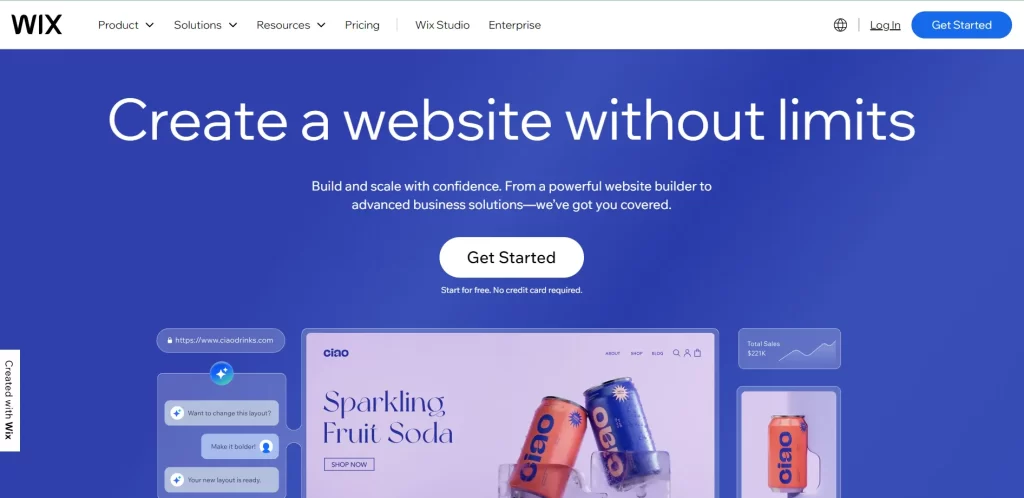
Wix is primarily known as a website builder, but its eCommerce capabilities have grown significantly, making it a viable alternative to WooCommerce for small to medium-sized businesses.
- Wix’s drag-and-drop builder is one of the simplest on the market, allowing even those with no technical knowledge to build a professional-looking store.
- Wix offers a variety of professionally designed templates tailored for eCommerce.
- Wix comes with built-in marketing tools, including email marketing, social media integration, and SEO capabilities.
- Wix offers a more cost-effective solution, particularly for smaller businesses.
- Wix provides hosting, domain registration, and all the tools needed to run an online store in one place.
3. Big-commerce – Feature-rich Woocommerce Alternative
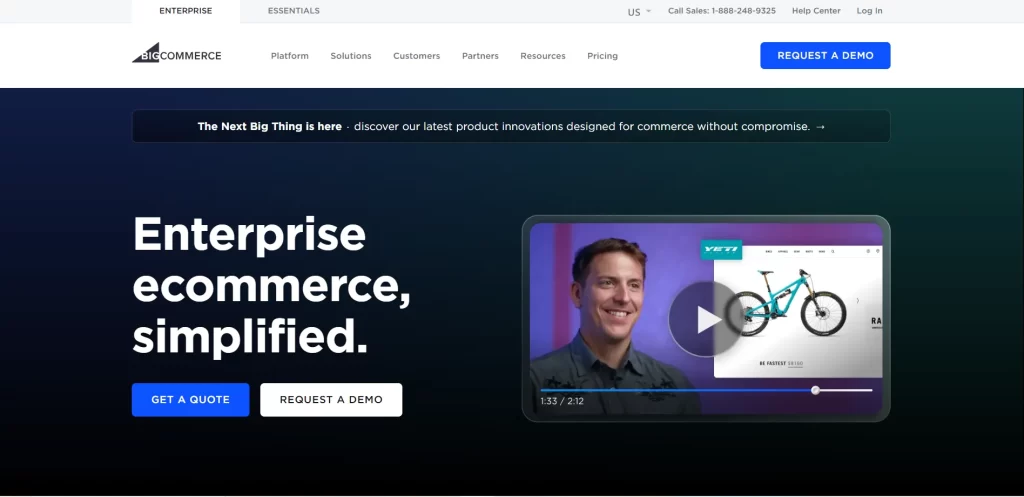
BigCommerce is a leading SaaS (Software as a Service) e-commerce platform that provides a comprehensive suite of tools to build, run, and grow an online store.
- BigCommerce comes with a wide range of features out of the box, including SEO tools, multi-channel selling, and advanced analytics.
- Although it’s a hosted solution, BigCommerce allows for extensive customization, especially for those with technical expertise.
- BigCommerce is optimized for speed and reliability, offering a strong uptime guarantee and robust performance even during high-traffic periods.
- Unlike some platforms, BigCommerce does not charge transaction fees, which can save businesses a significant amount of money.
4. Squarespace – Scalable WooCommerce Alternative

Squarespace Commerce extends these capabilities to online stores, making it a great choice for businesses that prioritize aesthetics and user experience.
- Squarespace offers some of the most visually appealing templates available, perfect for businesses in creative industries.
- Squarespace provides all the essential eCommerce tools, including inventory management, order processing, and payment gateways.
- Squarespace includes robust SEO tools and integrations with social media and email marketing platforms.
5. Ecwid – WooCommerce Alternative for Casual Sellers
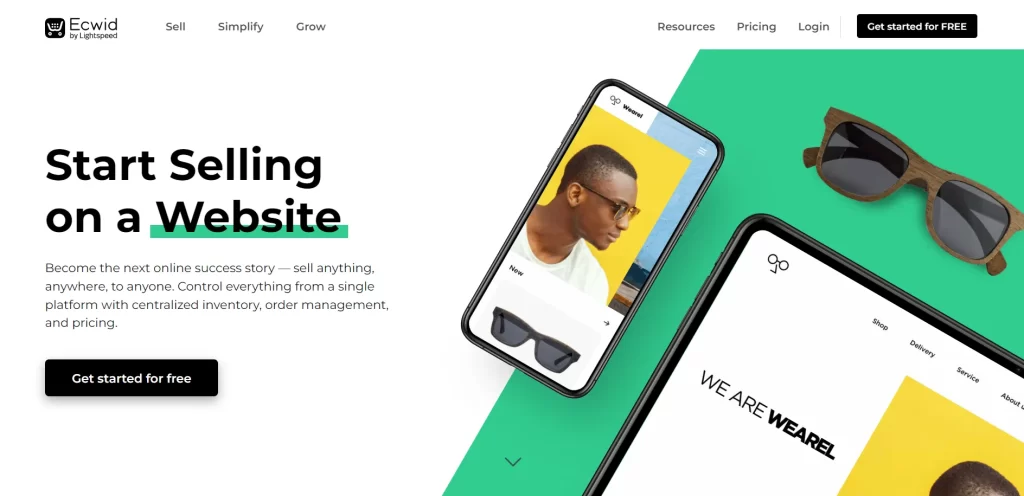
Ecwid is a unique eCommerce solution that can be added to any existing website, whether it’s built on WordPress, Wix, or any other platform. It’s a great option for businesses that want to add eCommerce functionality to their existing site without switching platforms.
- Ecwid can be easily integrated into an existing website, blog, or social media page.
- Ecwid supports selling on various platforms, including Facebook, Instagram, and Amazon, all from a single dashboard.
- Ecwid’s stores are fully responsive, ensuring a seamless shopping experience on any device.
- Adding Ecwid to an existing site is straightforward, with minimal technical knowledge required.
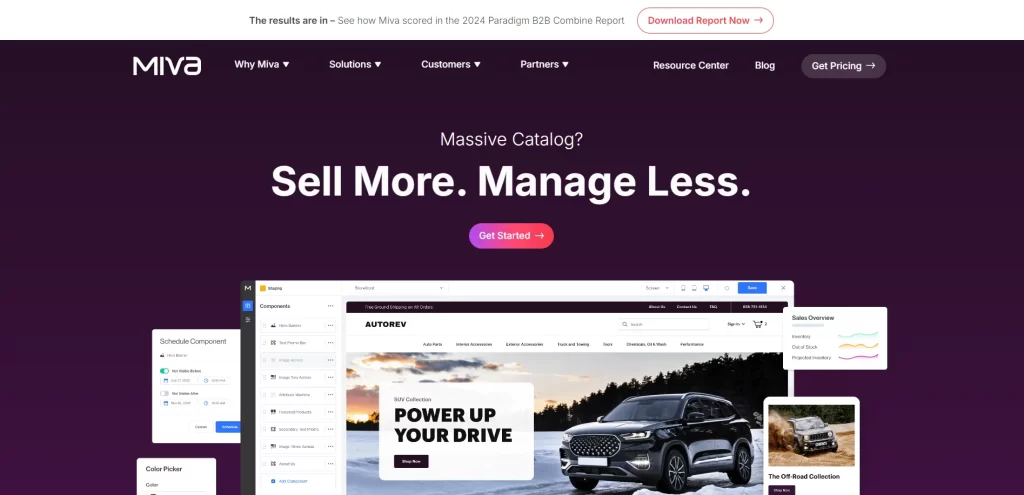
6. Miva – Customizable, Open-source Woocommerce Alternative
An adaptable WooCommerce substitute that can be added as a widget to any website is Ecwid. It’s a well-liked option for companies of all sizes because of its adaptability and intuitive UI.
7. MemberPress
A WordPress membership plugin called MemberPress is ideal for beginning a coaching business or selling online courses. You can customize any membership level without any restrictions when using this plugin.
- WooCommerce users will want an extension to incorporate this feature as it isn’t included in the base plugin.
- MemberPress offers pre-built custom post types for constructing pages with features like pricing, registration, and courses that are useful for website design.
- You can also modify the style or make your page template if you know how to use CSS.
8. Presta Shop – WooCommerce Alternative for Omnichannel Selling
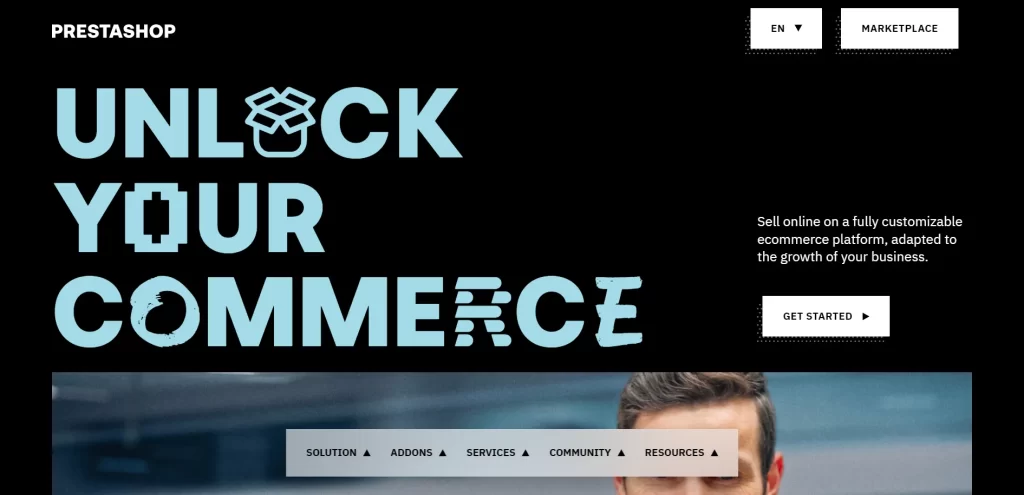
PrestaShop is an open-source eCommerce platform that offers flexibility and control similar to WooCommerce but with a different architecture and community. It’s a popular choice for businesses that require specific features or custom-built solutions.
- As with WooCommerce, PrestaShop’s open-source nature allows for extensive customization and control over your online store.
- PrestaShop is designed to handle multiple languages and currencies, making it a good option for global businesses.
- PrestaShop has a wide range of modules and themes that can be used to enhance the functionality and appearance of your store.
9. OpenCart – Flexible, plugin-rich WooCommerce Alternative
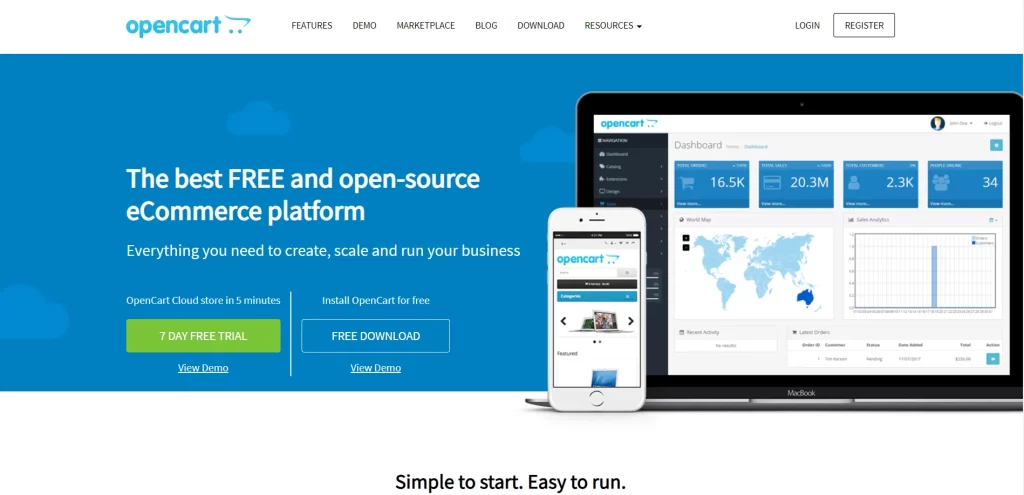
OpenCart is another open-source eCommerce platform that’s known for being lightweight and easy to use. It offers a good balance between simplicity and flexibility, making it a strong alternative to WooCommerce for certain businesses.
- OpenCart’s admin panel is straightforward, making it easy to manage products, orders, and customers.
- OpenCart offers a wide range of extensions and themes that can be used to enhance your store.
- OpenCart allows you to manage multiple stores from a single interface, which is a useful feature for businesses with more than one brand or store.
10. Big Cartel – WooCommerce Alternative for Creatives

With Big Cartel, all you have to do is choose a website template, add product photos, and choose your prices to start marketing your goods. All of the templates are available to you for free, and you may alter them with the platform’s drag-and-drop feature. You can also apply sophisticated customization to the layout of your website using the code editor.
How to Choose the Best Alternatives to WooCommerce?
Before choosing the alternative of WooCommerce, mark the essential checklist according to your requirements.
1. Make a List of Your Business Needs
- Size of Your Product Catalog: How many products do you plan to sell? Large catalogs may require a platform with robust inventory management and search capabilities.
- Expected Traffic: Estimate your expected website traffic. High-traffic sites may need a platform optimized for performance and scaleability.
- Global Reach: If you plan to sell internationally, look for platforms that support multiple languages, currencies, and global shipping options.
- Business Model: Consider whether you need B2B, B2C, or hybrid capabilities. Some platforms are better suited for specific business models.
2. Evaluate Technical Expertise
- Customization Needs: If you need extensive customization and have technical expertise available, open-source platforms like Magento or PrestaShop offer more flexibility.
- Maintenance and Updates: Hosted solutions like BigCommerce or Squarespace handle updates and security, reducing the technical burden on your team.
3. Assess Cost and Budget
- Initial Setup Costs: Consider the costs associated with setting up the platform, including design, development, and any necessary plugins or extensions.
- Ongoing Fees: Look at monthly fees, transaction fees, and the cost of additional features or apps. Platforms like BigCommerce are transparent about their costs, whereas WooCommerce may involve hidden expenses for hosting, security, and plugins.
- Long-Term ROI: Consider how the platform’s features and scalability will impact your long-term return on investment.
4. Analyze Built-In Features
- SEO and Marketing Tools: Effective SEO and marketing tools are essential for driving traffic and sales. Shopify and Squarespace, for example, offer robust SEO features out of the box.
- Payment Gateways: Ensure the platform supports your preferred payment methods and integrates with major gateways like PayPal, Stripe, and others.
- Multi-Channel Selling: If you plan to sell on multiple platforms, choose a solution like BigCommerce or Ecwid that supports seamless multi-channel integration.
5. Check Design and Customization Options
- Templates and Themes: Look for platforms that offer a wide range of professionally designed templates that can be easily customized.
- Customization Flexibility: If you need a unique design, consider platforms like Magento or PrestaShop, which allow for extensive customization through code.
6. Evaluate Performance and Security
- Hosting and Speed: Hosted platforms like Shopify ensure fast load times and high performance, while open-source solutions like WooCommerce depend on your hosting provider.
- Security Features: Look for platforms that offer SSL certificates, PCI compliance, and regular security updates to protect your customers’ data.
7. Review Customer Support and Resources
- Customer support availability: Platforms like Shopify and Squarespace offer 24/7 customer support, which can be crucial for resolving issues quickly.
- Community and Documentation: Open-source platforms like Magento have large developer communities and extensive documentation but may not offer direct support.
E-commerce Development Services We Offer at SupportFly
At SupportFly, we pride ourselves on delivering a wide array of e-commerce development services that cater to the diverse needs of businesses. Our solutions are designed to enhance your online presence, drive sales, and provide an exceptional shopping experience for your customers.
- Custom eCommerce Development: We build scalable, secure, and feature-rich online stores that align with your brand identity and business objectives. Whether you need a simple online shop or a complex multi-vendor marketplace, we have you covered.
- eCommerce Theme Design Services: Our designers create visually stunning and highly functional themes that provide an engaging user experience. Each design is optimized for performance and mobile responsiveness, ensuring a seamless shopping experience across all devices.
- eCommerce Development Solutions: Our eCommerce development services focus on creating intuitive and user-friendly mobile apps that allow your customers to shop on the go. We ensure your mobile app is fast, secure, and packed with features that enhance the shopping experience.
- eCommerce Strategy & Consulting: Our eCommerce strategy and consulting services help you make informed decisions that drive growth. We analyze market trends, consumer behavior, and your competition to develop strategies that increase your market share and profitability.
- Payment Gateway Integration Services: We offer payment gateway integration services that support multiple payment methods, ensuring secure and efficient transactions. Our team integrates leading payment gateways, providing your customers with a variety of payment options.
- Online Store Migration & Upgrade: Our migration and upgrade services ensure a smooth transition with minimal downtime. We handle data migration, and functionality upgrades, and ensure that your new platform is optimized for performance.
- Maintenance & Support Services: We provide regular updates, security patches, and performance optimizations to ensure your site operates at its best. Our support team is always ready to assist with any issues or enhancements you need.
- Plugin & Extension Development: We create custom plugins and extensions that add new features and capabilities to your platform. Whether you need a custom payment solution, inventory management tool, or marketing automation, we can build it.
Conclusion
No doubt WooCommerce is one of the best eCommerce spaces, but it isn’t always the best fit for your store. Factors like scalability, ease of use, built-in features, and technical requirements can significantly impact your store’s success. By exploring alternatives, you can find a platform that better aligns with your goals, offering the features, performance, and support necessary to thrive in a competitive market.
Related Articles
- Windows Update Its RDP Security to Counter Phishing | Attacks You Need to Know

- Building Secure B2B Portals through Web Development for Impor- Export Trading
- Integrating Prescription Management Systems in Web Development for Pharmacy
- How to Develop an On-Demand Laundry Web Platform That Scales in 2026

- Web Development for Salon in 2026: SupportFly’s AI Chatbots That Book Appointments While You Sleep

- Top 10 Mobile App Development Frameworks in 2024